
What to Expect During a Professional Masonry Installation
People seeking what to expect during a professional masonry installation can rely on local contractors to handle preparation, craftsmanship, and finishing for durable, high-quality results.
Understanding what to expect during a professional masonry installation can help property owners feel more confident in their project. Whether planning to enhance a garden wall, build a new fireplace, or update outdoor features, knowing the typical process can clarify what’s involved and how experienced service providers handle each step. This knowledge can also assist in making informed decisions when comparing local contractors, ensuring that the work is completed efficiently and to a high standard.
For property owners in the area exploring masonry services, learning about the installation process offers practical insights into the level of craftsmanship and attention to detail that skilled local contractors provide. From site preparation to finishing touches, understanding the workflow can highlight the importance of working with experienced professionals who prioritize quality and durability. Continuing to read can help identify what questions to ask and what to look for when selecting a masonry service provider for upcoming projects.
- Brick or stone veneer installation - homeowners considering decorative facades can expect local contractors to prepare surfaces and carefully apply materials for a durable finish.
- Retaining wall construction - when stabilizing slopes or creating level areas, service providers typically assess site conditions and follow best practices for structural integrity.
- Fireplace or chimney masonry - those planning to add or repair a fireplace can anticipate detailed work that ensures safety, functionality, and aesthetic appeal.
- Patio or walkway paving - clients wanting outdoor surfaces can expect pros to prepare the base and lay materials precisely for long-lasting results.
- Concrete block wall installation - for boundary or privacy walls, local contractors usually focus on proper alignment and mortar application to ensure stability.
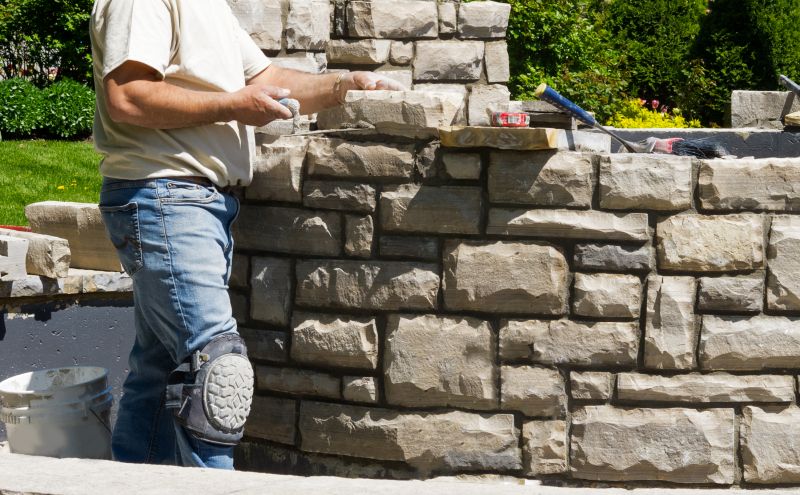
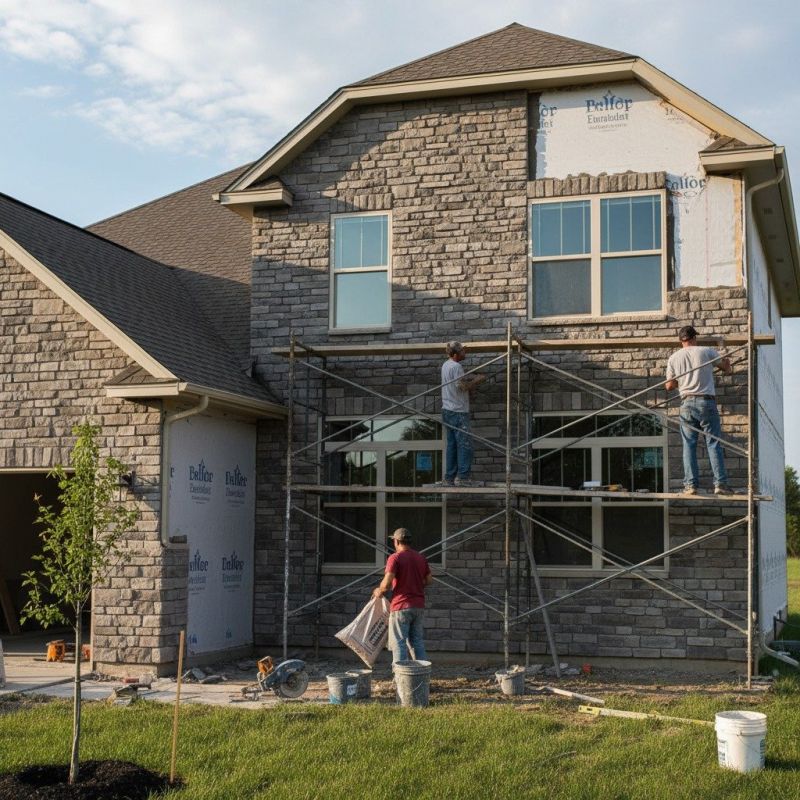
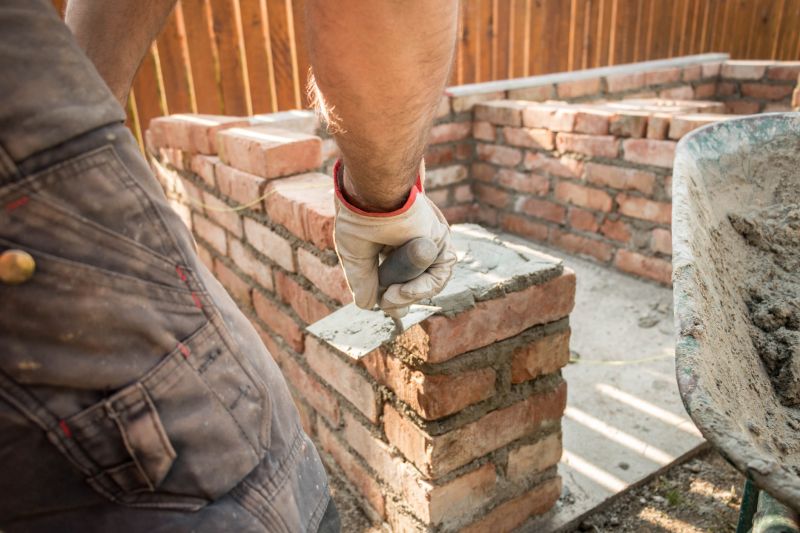
When searching for information about what to expect during a professional masonry installation, homeowners are often trying to understand the overall process involved in constructing or repairing brick, stone, or concrete features on their property. This can include projects such as building a new retaining wall, installing a fireplace surround, or creating a decorative stone facade. People typically want to know how the work is planned, what steps are involved, and how the project will impact their daily routines. Understanding these details helps homeowners feel more prepared and confident when working with local contractors, ensuring the project aligns with their expectations and goals.
Masonry installation projects are commonly related to a variety of property improvements and structural needs. For example, homeowners may be considering a new outdoor patio or walkway, or they might need repairs to an existing brick or stone feature that has become damaged or outdated. These projects often involve addressing foundational or aesthetic concerns, and they may require careful planning to match existing materials or styles. Homeowners also look for guidance on how the installation process addresses issues like drainage, stability, and durability, which are key to ensuring the longevity of the masonry work.
The types of properties that typically involve professional masonry installation include residential homes, particularly those with yards, gardens, or outdoor living spaces. Single-family houses often feature brick or stone facades, chimneys, or patios that require expert craftsmanship. Multi-family buildings, such as apartment complexes, may also need masonry services for retaining walls, fire pits, or decorative elements. Additionally, commercial properties like retail centers or office buildings sometimes require masonry work to enhance curb appeal or meet structural specifications. Local contractors experienced in masonry understand the unique needs of these property types and can provide tailored solutions.
During a professional masonry installation, property owners can generally expect a sequence of steps that begins with a consultation and assessment of the site. This is followed by preparation work, such as clearing the area and setting proper foundations. The actual installation involves precise placement of bricks, stones, or blocks, often with mortar or adhesive, to ensure stability and aesthetic appeal. The process may also include finishing touches like cleaning excess mortar, sealing surfaces, or making adjustments for proper alignment. Throughout the project, local service providers focus on maintaining safety and quality standards, making sure the work is completed efficiently while meeting the homeowner’s expectations for durability and appearance.
Stone Patios - Stone patio projects require precise planning, material selection, and skilled installation, similar to what is involved in professional masonry work.
Brick Fireplaces - Building brick fireplaces involves masonry techniques, mortar application, and careful layout, aligning with the skills used during masonry installation.
Retaining Walls - Constructing retaining walls demands structural understanding and proper foundation work, which are also essential in masonry installation services.
Outdoor Kitchens - Outdoor kitchen construction involves masonry skills for setting blocks, stones, or bricks, paralleling the process of installing masonry features.
Facade Restoration - Restoring building facades requires detailed masonry craftsmanship and planning, similar to the preparation and execution of masonry installations.
Paving Stone Walkways - Laying paving stones involves precise leveling and placement, skills that are directly related to professional masonry installation processes.
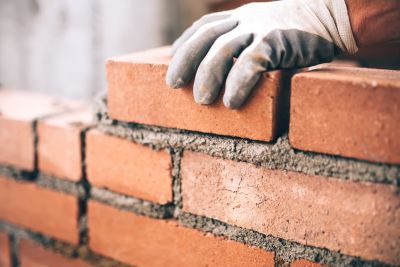
When evaluating masonry installation services, it’s important to consider a contractor’s experience with similar projects. Homeowners should seek out local service providers who have a proven track record of handling projects comparable in scope and style to what is desired. An experienced contractor will be familiar with the specific techniques, materials, and challenges associated with different types of masonry work, which can contribute to a smoother installation process and a more durable result. Asking for examples of past work or references related to similar projects can help gauge a contractor’s familiarity and expertise, providing confidence that the job will be approached with the necessary skill and understanding.
Clear, written expectations are essential to ensure that both the homeowner and the service provider are aligned on the scope of work, materials, and project outcomes. When comparing local pros, it’s advisable to inquire about how they communicate project details, including what is included in the scope, the timeline, and any potential variables that could affect the process. A reputable contractor will be transparent about what to expect during a professional masonry installation and will provide detailed documentation or estimates that outline these expectations. This clarity helps prevent misunderstandings and ensures that everyone involved has a shared understanding of the project from start to finish.
Reputable references and good communication are key indicators of a reliable masonry contractor. Homeowners should seek out local service providers who can offer references from previous clients, especially those who had similar projects completed. Speaking with past customers can reveal insights into the contractor’s professionalism, responsiveness, and ability to deliver quality work. Additionally, effective communication throughout the project-such as timely updates, responsiveness to questions, and clarity in explanations-can make the process more predictable and less stressful. Choosing a contractor who emphasizes open dialogue and has a history of satisfied clients can contribute significantly to a positive experience during a professional masonry installation.
Property owners often search for what to expect during a professional masonry installation when they are planning practical projects around their homes and businesses. Local pros provide Masonry Installation services for everyday jobs and straightforward project options.
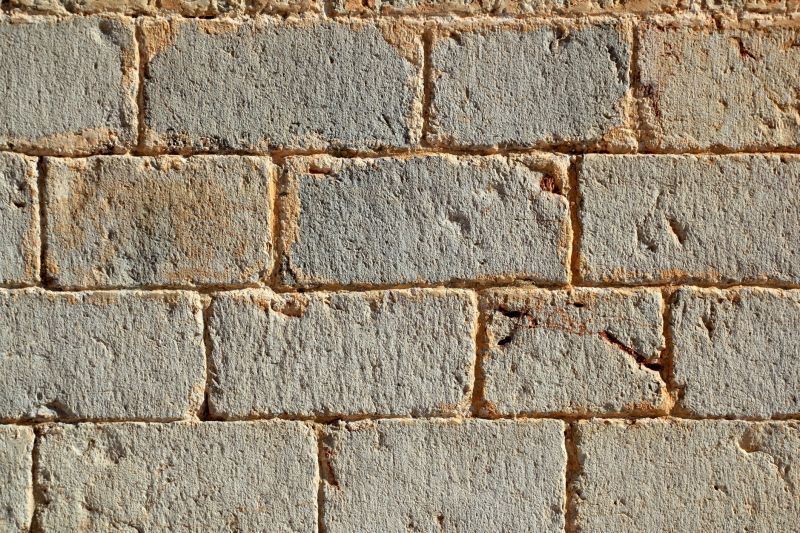
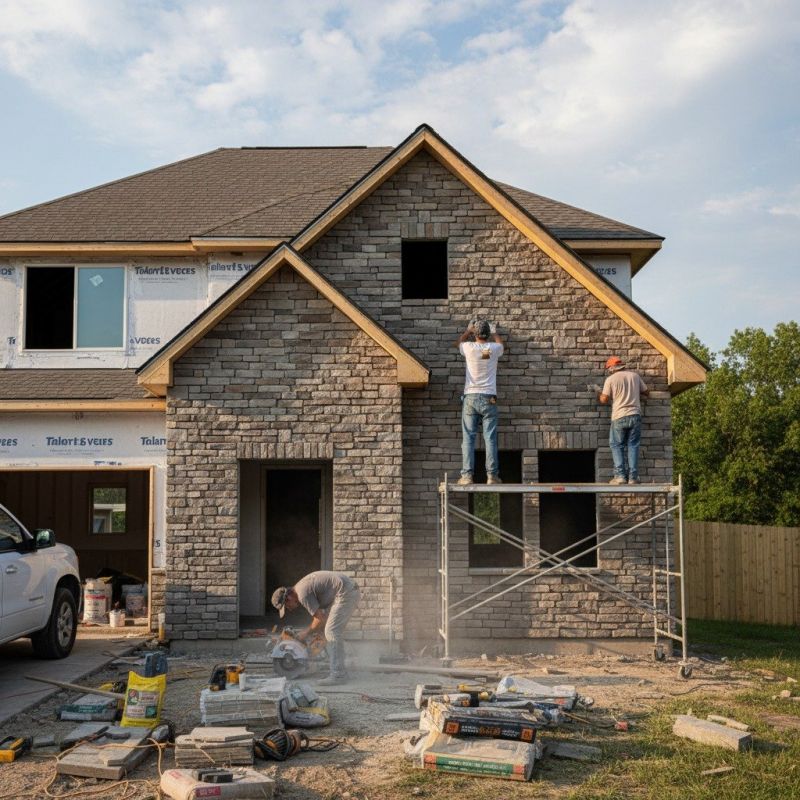
During a professional masonry installation, property owners can generally expect the process to involve careful preparation, including site assessment and surface cleaning to ensure proper adhesion. Local contractors typically bring the necessary materials and tools, working systematically to lay bricks, stones, or blocks with attention to detail. This phase often includes shaping and positioning each piece accurately to achieve the desired aesthetic and structural stability, which helps prevent issues like shifting or cracking over time.
Throughout the project, property owners might notice the importance of consistent communication and updates from the service providers. Experienced local pros usually take measures to protect surrounding areas from debris and dust, maintaining a clean work site. Once the masonry work is complete, some finishing touches, such as sealing or cleaning the surface, may be applied to enhance durability and appearance. Understanding what to expect during a professional masonry installation can help property owners feel more confident in the process and the value that local contractors bring to their project.
What should I expect during a professional masonry installation? During a masonry installation, local contractors typically prepare the site, ensure proper layout, and carefully lay each brick, stone, or block to achieve a durable and visually appealing result. They may also use specific techniques to ensure stability and longevity of the structure.
Will there be any disruption or mess during the work? Some disruption or mess is common during masonry installation, as contractors may need to move materials, prepare surfaces, and work with mortar. However, professional service providers aim to minimize inconvenience and keep the work area as tidy as possible.
What tools and materials are used during a masonry installation? Local pros use specialized tools such as trowels, levels, and mixers, along with materials like mortar, bricks, stones, or concrete blocks to ensure precise placement and a high-quality finish.
How do professionals ensure the quality of the installation? Experienced contractors follow established techniques, use proper materials, and pay attention to details like alignment and leveling to ensure the masonry installation is structurally sound and visually consistent.
What is the typical process during a professional masonry project? The process usually involves site preparation, layout marking, material placement, mortar application, and finishing touches, with local service providers guiding the work to meet safety and aesthetic standards.
Site preparation - Property owners can expect local contractors to clear and level the work area, ensuring a stable foundation for the masonry project.
Material selection - Choosing the right bricks, stones, or blocks with the help of local service providers can enhance the durability and appearance of the finished work.
Installation process - Understanding the typical steps involved, from layout to mortar application, helps owners anticipate how the project will progress.
Final inspection - A thorough review by local pros ensures the masonry installation meets quality standards and aligns with the property owner’s expectations.
If you are thinking about what to expect during a professional masonry installation for a property, this guide is meant to help you understand this topic, the typical project types, and how different options might fit your plans.
When you are ready, you can use the quote form on this page to share a few details about your project. From there, local pros can review the basics and follow up with options that match what you have in mind.